
Custom Corrugated Boxes: E-Flute, F-Flute and K=K Export Cartons
The specifications we actually build to — flute type, board combination, crease line and tolerance — and why a corrugated box cracks at the corner or collapses in transit
Corrugated board fails in specific, predictable places: the fold, the crease line, the corner and the stacking edge. This page lists the specifications we produce — E-flute at 1.2–2.0 mm, F-flute at 0.6–1.0 mm, 250 gsm white-lined grey board laminated over E-flute for mailer boxes, and K=K reinforced cartons for export — together with the numbers that hold them: MOQ 500 pcs per design, samples in 3–8 working days, mass production in 7–15 working days, ±0.5 mm die-cut tolerance and ΔE ≤ 2 measured batch by batch against the signed proof.
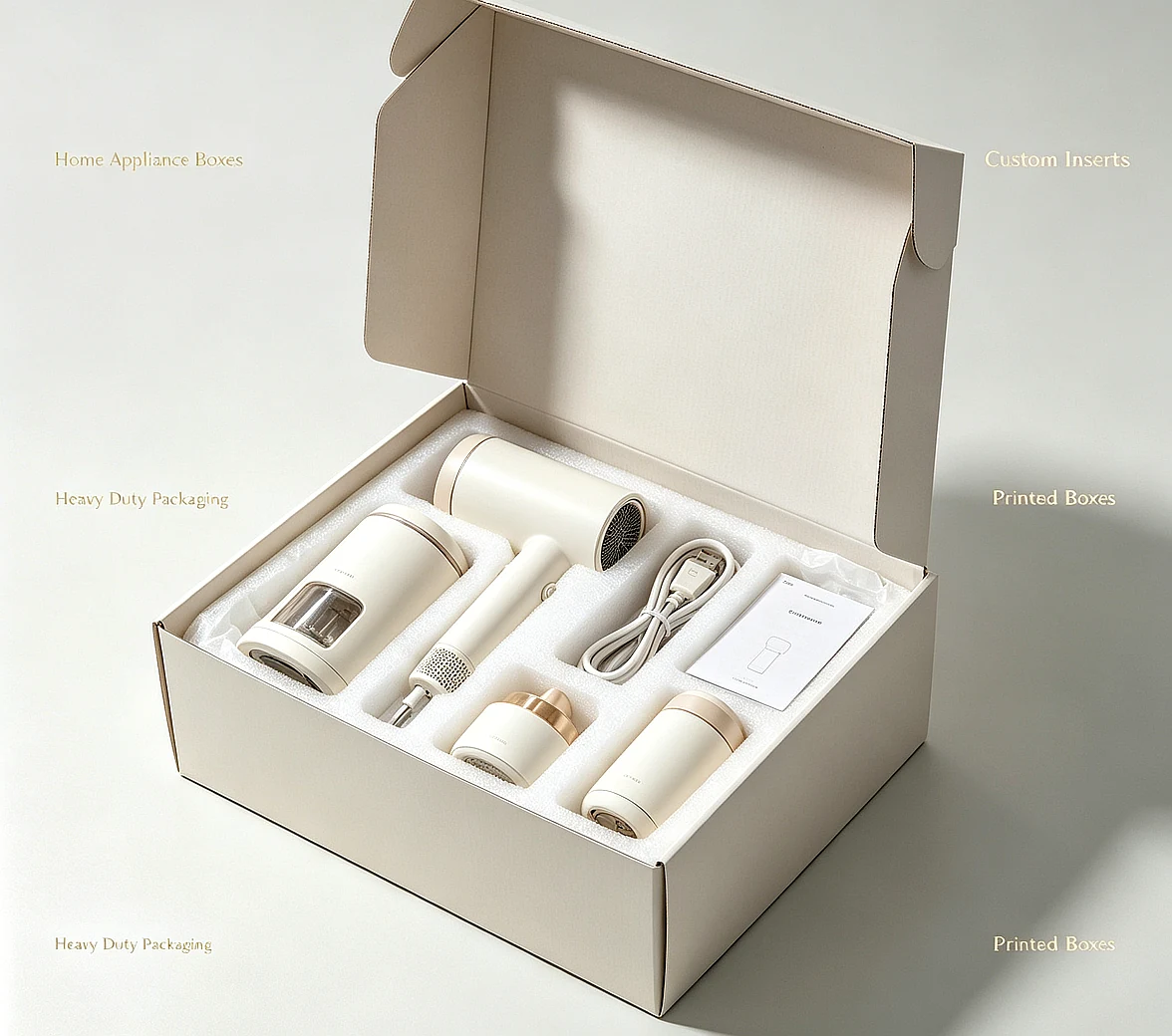
Corrugated Box Types We Produce
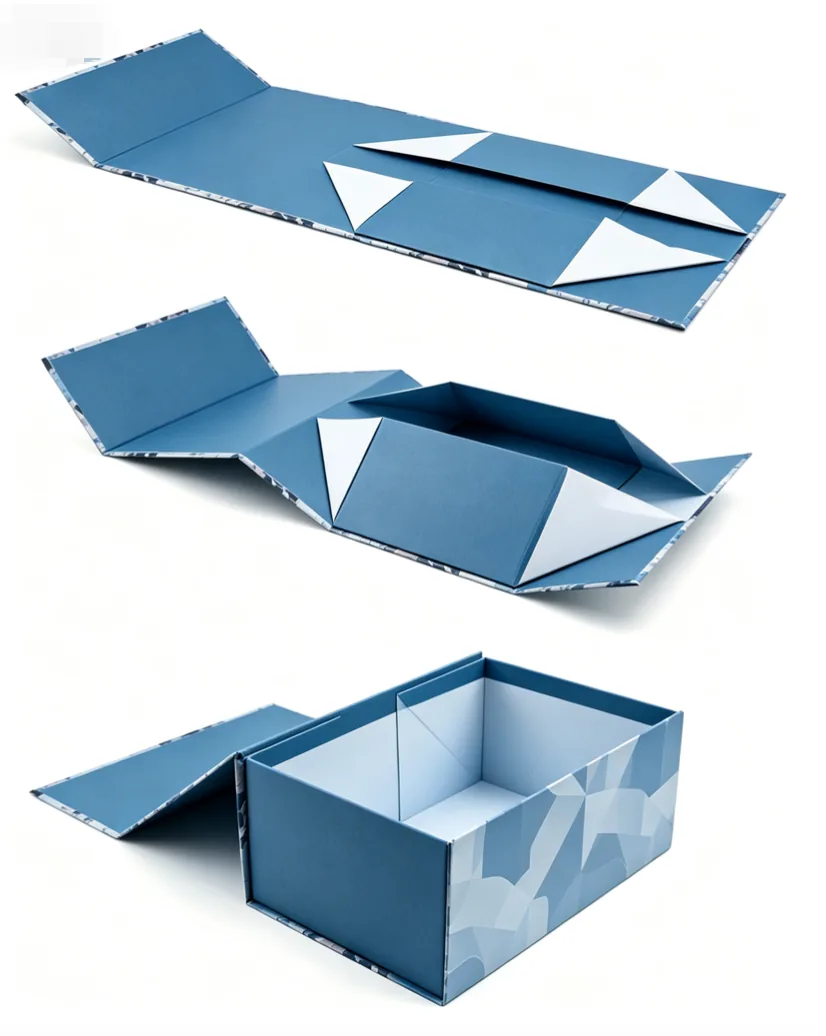
E-Flute Corrugated Mailer Boxes
E-flute runs 1.2–2.0 mm: enough cushioning for e-commerce shipping, flat enough to print and fold like a retail box. 250 gsm white-lined grey board laminated over E-flute is our standard combination for premium mailers.
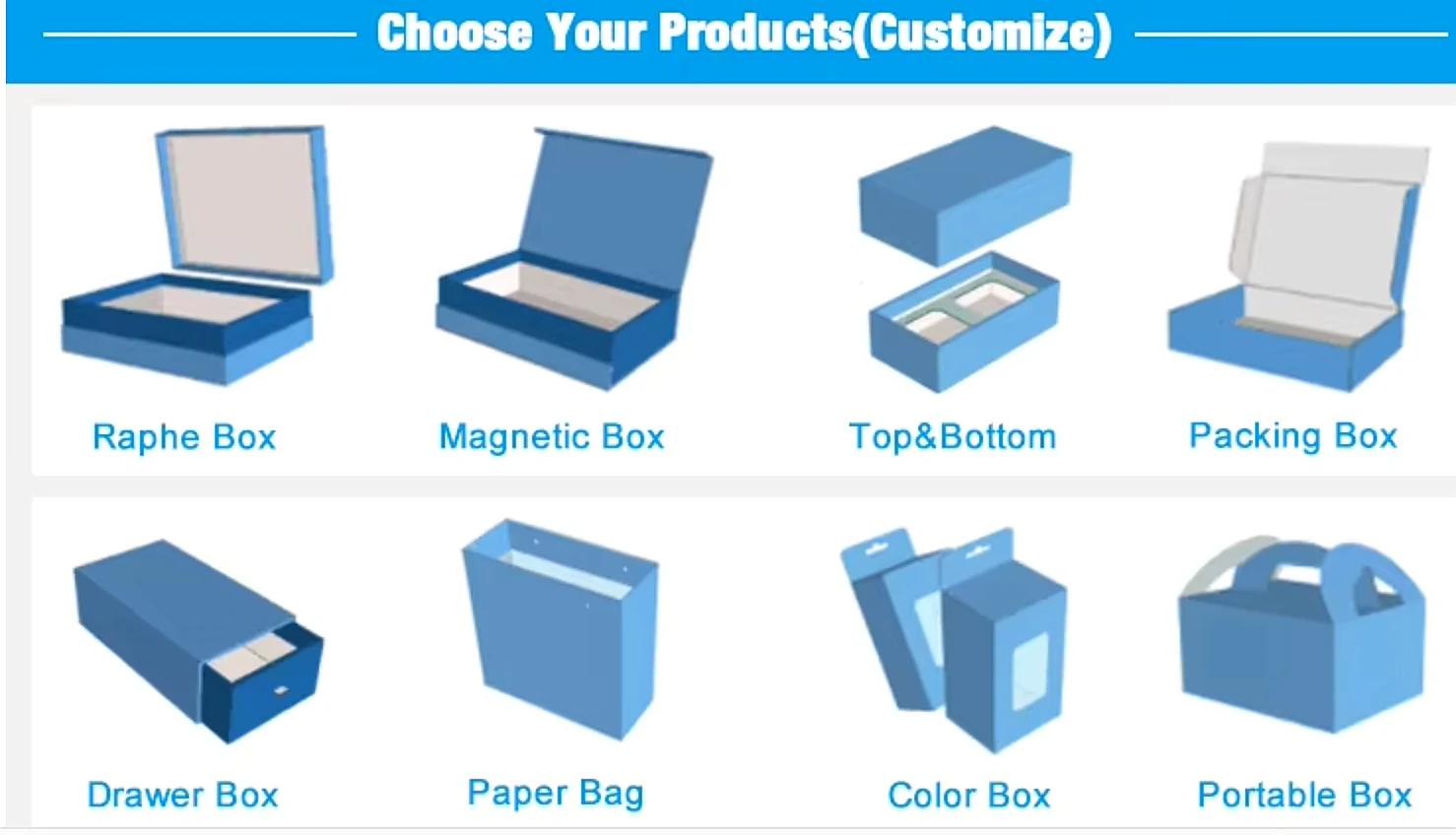
F-Flute Ultra-Thin Micro-Flute Boxes
F-flute measures 0.6–1.0 mm — close to cartonboard thickness with a corrugated core. It is the grade for a box that must stay slim in a display set while still carrying a fluted layer.

K=K Double-Wall Export Cartons
Reinforced K=K cartons for outer shipping, sized to your inner boxes and pallet plan. They are produced alongside the retail packaging, so inner fit and carton count are decided together.

Printing, Finishing and Inserts
Foil stamping, spot UV, embossing and lamination on Heidelberg CD102 5-colour presses with in-line coating, plus velvet, satin, EPE/EVA and PE foam, PET/PVC blister trays and paperboard inserts.
Where a Corrugated Box Actually Fails
Flute choice sets the fold behaviour
E-flute at 1.2–2.0 mm folds tight and prints flat; F-flute at 0.6–1.0 mm bends like cartonboard. Drawing the structure first and choosing the flute afterwards is the fastest route to a crease that cracks.
Board combination decides burst and stacking strength
A 250 gsm white-lined grey board facing over E-flute is a print surface, not a load-bearing wall. Facing weight and board combination have to match whether the box ships alone or stacks on a pallet.
Crease and lock accuracy is ±0.5 mm
Crease line, lock geometry and dieline are all held to ±0.5 mm. Below that, the corner crushes the flute peaks and the fibres split; above it, the lid springs back and will not self-lock.
Print consistency is ΔE ≤ 2
Colour is measured batch by batch against the signed proof on Heidelberg CD102 5-colour presses with in-line coating, so a repeat run and the first run look like the same box.
Produced and shipped under the same roof
Corrugated boxes are made on the same floor as the retail packaging they travel with, and the in-house export team in the same building handles customs and freight on FOB, CIF or DDP door-to-door terms to the United States, Canada, the United Kingdom, France, Germany, Italy, Spain, the Netherlands, Belgium, Sweden, Poland, Mexico, Brazil, Japan, South Korea, Australia, New Zealand, Singapore and the UAE — more than 30 countries, 40–50 km from Yantian and Shekou ports.
E-flute vs F-flute: where each grade stops working
E-flute measures 1.2–2.0 mm and F-flute 0.6–1.0 mm. That difference looks small on a specification sheet and decides everything at the fold. E-flute carries a real cushioning layer, which is why it is the grade we use for e-commerce mailer boxes that have to survive a parcel network. F-flute is close to cartonboard thickness, so it folds, prints and wraps like a thin folding carton while keeping a fluted core — the grade for slim retail boxes and shelf-ready sets.
Corners crack for mechanical reasons, not cosmetic ones. In a premium beauty mailer we produced, 250 gsm white-lined grey board was laminated over E-flute and the three-ply wall was folded through a full 180°. 14.2% of the run was rejected: the facing paper and the ink layer split open along the crease and exposed the corrugated fibres, the lid sprang back instead of self-locking, and the crease lines delaminated. None of it was a print problem. We changed the crease-line structure, the corrugated paper combination and the corner reinforcement, and corner cracking fell from 14.2% to 0%.
From Enquiry to DDP Delivery
Enquiry & feasibility review
Send dimensions, flute, facing paper, printing, quantity and destination port. A formal quotation follows in 1–3 business days, and we flag any specification that will not hold in production.
Structure & crease design
Dieline, crease-line placement, lock geometry and the corrugated paper combination are set against the product weight, then checked against our ±0.5 mm die-cut tolerance.
Sampling
Physical sample in 3–8 working days: 3–5 days for a standard structure, up to 8 when the sample includes foil stamping, embossing or a custom insert. Nothing goes to bulk before you approve it in writing.
Mass production
7–15 working days on Heidelberg Speedmaster CD102 5-colour presses with in-line coating, under IQC / IPQC / FQC inspection at every stage.
Inspection & DDP delivery
Final inspection to ISO 2859-1 general inspection level II, AQL 1.0 or 2.5, then FOB, CIF or DDP door-to-door dispatch — 40–50 km from Yantian and Shekou ports.
Corrugated board specification reference
| Specification | Reference value | What it decides |
|---|---|---|
| E-flute corrugated | 1.2–2.0 mm | Mailer and retail boxes that need cushioning with a clean printed surface |
| F-flute micro-flute | 0.6–1.0 mm | Slim boxes close to cartonboard thickness that still carry a fluted layer |
| 250 gsm white-lined grey board + E-flute | Facing paper over E-flute | Premium mailer boxes; in our own case corner cracking fell from 14.2% to 0% |
| K=K carton | Reinforced corrugated export carton | Outer shipping cartons for export |
| MOQ | 500 pcs per design | Minimum production quantity for one design |
| Sampling | 3–8 working days | 3–5 days for a standard structure; up to 8 with foil stamping, embossing or a custom insert |
| Mass production | 7–15 working days | Bulk schedule after written sample approval |
| Die-cut dimensional tolerance | ± 0.5 mm | Controllable range for crease lines, locks and outer dimensions |
| Colour accuracy | ΔE ≤ 2 | Measured batch by batch against the signed proof |
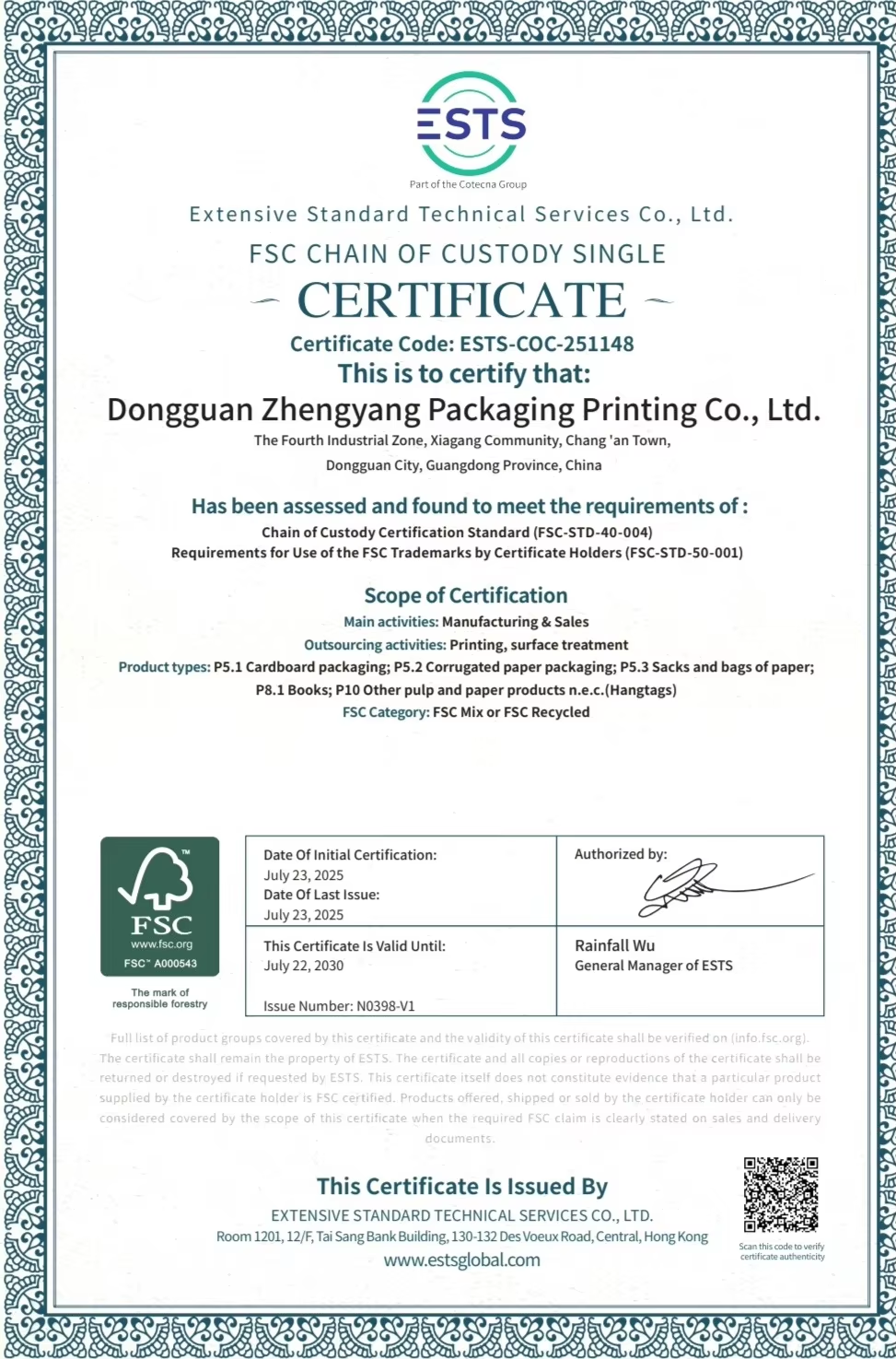
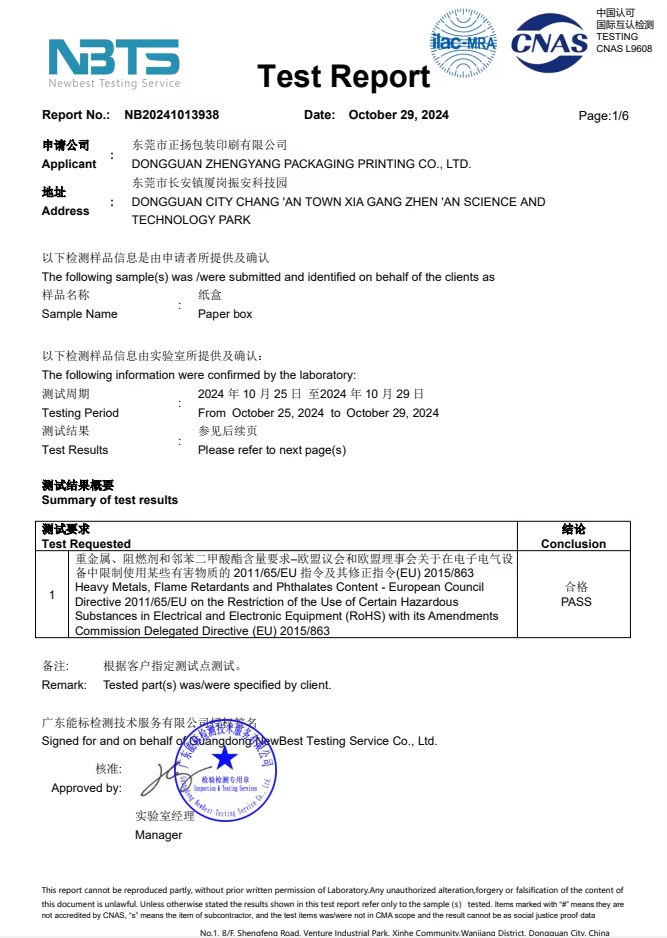
Certifications Behind the Board
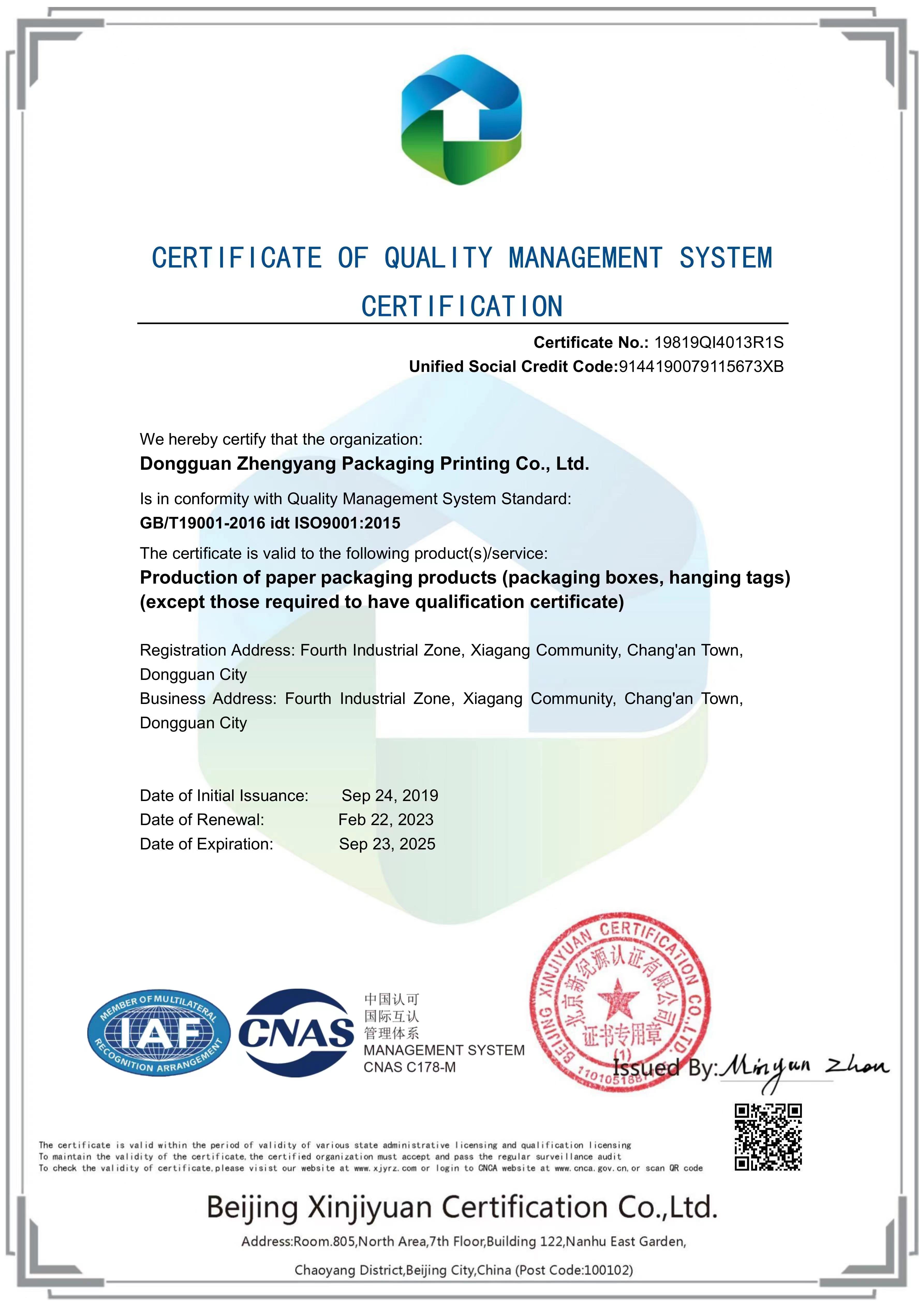
These certificates are held by the same entity that quotes, prints and ships your corrugated boxes: Dongguan Zhengyang Packaging & Printing Co., Ltd. (Zhengyang Packaging).

Corrugated Box Questions Buyers Ask
Is the 500 pcs MOQ real, or does it go up?
It is real, and it is per design: 500 pcs per design is our standing minimum. What moves that number is the specification, not the order size — a bespoke die, a custom insert or a foil-stamped panel is tooling that has to be amortised. If the quantity you need is below 500, we say so at the quotation stage rather than after sampling.
How do you stop corrugated mailer boxes from cracking at the corner?
Change the crease, not the board. In a premium beauty mailer using 250 gsm white-lined grey board laminated over E-flute, corner cracking ran at 14.2% because the three-ply wall was folded through 180° with a crease that could not handle the flute peaks. Adjusting the crease-line structure, the corrugated paper combination and the corner reinforcement took the reject rate from 14.2% to 0%.
Should I choose E-flute or F-flute?
E-flute is 1.2–2.0 mm and carries a real cushioning layer — choose it for mailer boxes and anything that travels through a parcel network. F-flute is 0.6–1.0 mm and behaves like cartonboard while keeping a fluted core — choose it for slim retail or shelf-ready boxes. If the product is fragile and the box must stay thin, send the item and we will check both grades against it.
Can you ship DDP to my door?
Yes. FOB, CIF and DDP door-to-door are all available, and the export team sits in the same building as production. We ship to more than 30 countries, including the United States, Canada, the United Kingdom, France, Germany, Italy, Spain, the Netherlands, Belgium, Sweden, Poland, Mexico, Brazil, Japan, South Korea, Australia, New Zealand, Singapore and the UAE, from a facility 40–50 km from Yantian and Shekou ports.
How long does sampling take?
3–8 working days. A standard structure with standard finishing is normally 3–5 days; allow up to 8 days when the sample includes foil stamping, embossing or a custom insert. Mass production after your written sample approval runs 7–15 working days.
Send Us the Box You Are Buying Today
Send dimensions, flute, facing paper, printing, quantity and destination port. You will get a factory-direct quote, the board combination we recommend and the tolerances we will hold it to.